
Understanding the Role of a Concrete Contractor in Precast Concrete Projects
Precast concrete has revolutionized the construction industry, offering efficiency, durability, and sustainability. In precast construction, concrete elements are manufactured off-site in a controlled environment and then transported to the construction site for assembly. This method saves time and reduces on-site labor costs. Concrete contractors play a crucial role in ensuring the success of precast concrete projects. They act as the conductors of a symphony, coordinating deadlines, managing costs, and ensuring site logistics are handled effectively.
What is Precast Concrete?
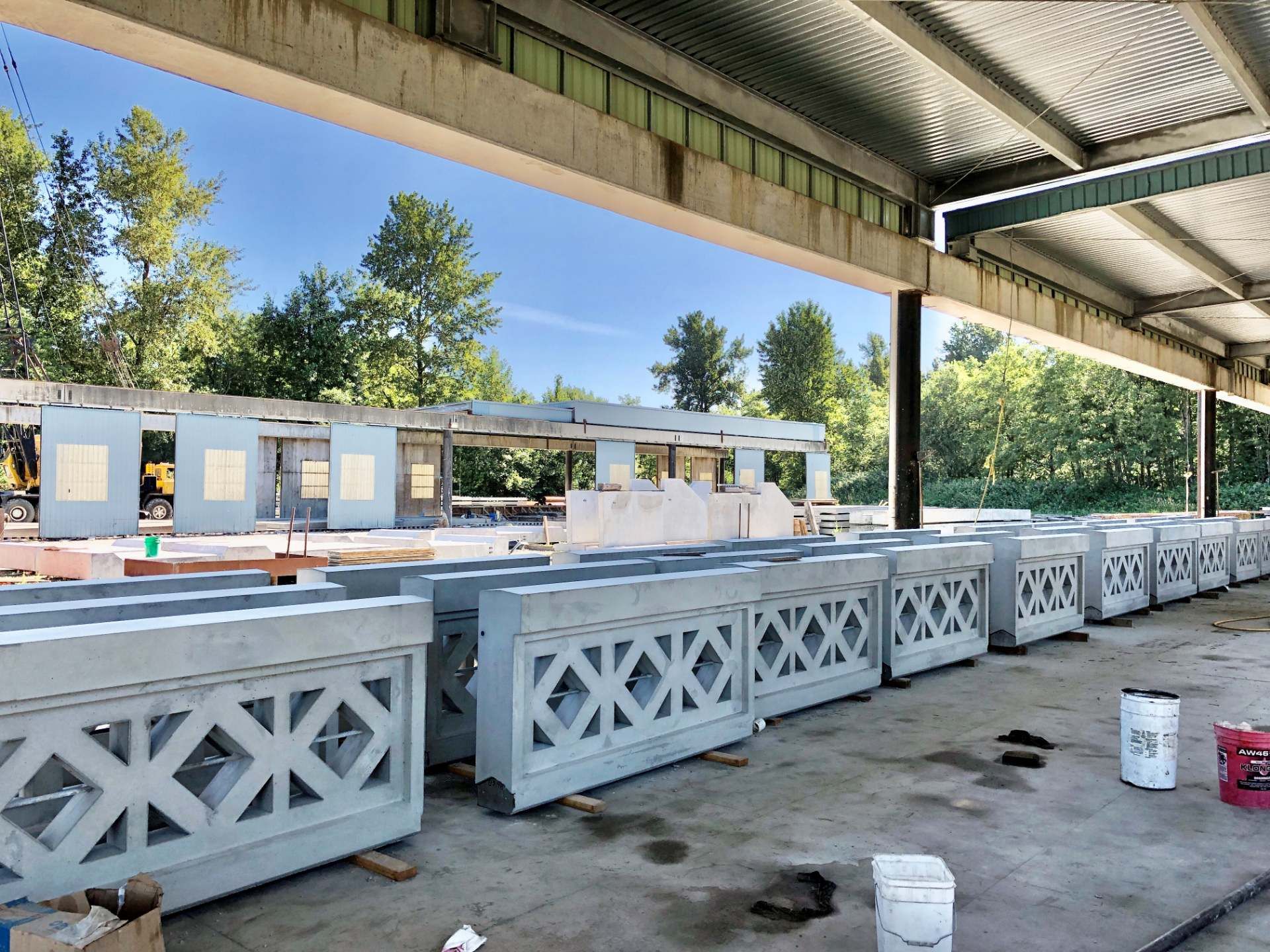
Precast concrete is an industrialized building method that uses prefabricated concrete elements. These elements are cast in a controlled factory environment, which allows for high-quality production and standardization. Pre-stressing or structural reinforcement is added before the concrete is cast, compacted, and cured. Once the elements are finished, they are transported to the construction site for erection.
Benefits of Using Precast Concrete:
- Efficiency and Time Savings: Precast concrete significantly reduces construction time. Manufacturing occurs off-site while the site is prepared, streamlining the process.
- Quality Manufacturing: Precast concrete is produced in a controlled environment, ensuring consistent quality. Specialized crews focus on reinforcement, batching, placing, and finishing concrete.
- Reduced Downtime: Weather dependency is minimized with precast concrete, reducing delays and equipment rental costs.
- Versatility: Precast concrete can be molded into various shapes and sizes, accommodating diverse architectural designs.
- Sustainability: Precast concrete is a sustainable building method, promoting material efficiency and reducing waste.
The Concrete Contractor: Orchestrating Precast Success
In precast concrete projects, the concrete contractor brings everything together. They coordinate deadlines, cost targets, and site logistics. Here are the key roles and responsibilities of a concrete contractor in precast concrete projects:
- Project Management and Coordination:
- Planning and Scheduling: Concrete contractors develop detailed project plans and schedules, coordinating with various stakeholders to ensure timely completion.
- Subcontractor Management: They manage and coordinate with other subcontractors, such as steel erectors, ensuring seamless integration of different construction activities.
- Communication: Effective communication between the precaster, engineers, architects, and contractors is essential for project success.
- Site Preparation:
- Excavation and Backfilling: Concrete contractors prepare the site by excavating and backfilling as necessary.
- Foundation Work: They ensure the foundation is properly prepared to support the precast concrete elements.
- Logistics Planning: Planning the delivery and storage of precast elements on-site is crucial for minimizing spatial constraints.
- Installation of Precast Elements:
- Crane Operation: Concrete contractors use cranes to lift and place precast elements accurately.
- Erection: A smaller crew is needed on-site to place the precast pieces, reducing the risk of injury and lost work time.
- Connections: Ensuring proper structural connections between precast elements is vital for the integrity of the building.
- Quality Control and Assurance:
- Inspections: Regular inspections are conducted before, during, and after the pour to guarantee the highest quality.
- Compliance: Concrete contractors ensure that all precast elements meet the required specifications and standards.
- Material Testing: Testing concrete strength and durability is essential for ensuring long-term performance.
- Budget Management:
- Cost Estimation: Accurate cost estimation is crucial for precast projects, considering factors like material, labor, and transportation.
- Value Engineering: Identifying opportunities to reduce costs without compromising quality is a key responsibility.
- Change Order Management: Managing any changes to the original project scope and budget is essential for maintaining financial control.
- Safety Management:
- Safety Protocols: Implementing and enforcing strict safety protocols to protect workers and the public.
- Risk Assessment: Identifying potential hazards and developing mitigation strategies to minimize risks.
- Training: Providing adequate safety training to all personnel involved in the precast concrete project.
Integrating Precast Concrete with Other Building Systems
Precast concrete is versatile and integrates well with other building systems. However, coordinating with multiple disciplines, such as steel beams and MEP (Mechanical, Electrical, and Plumbing) services, is essential.
Tips for Integrating Precast Concrete:
- Early Planning: Involve all stakeholders, including architects, engineers, and subcontractors, in the early stages of the project.
- 3D Modeling: Use 3D modeling to visualize and coordinate the integration of precast elements with other building systems.
- ** clash Detection**: Conduct clash detection analysis to identify and resolve any conflicts between different design elements before construction begins.
- Prefabrication: Maximize the use of prefabrication for other building systems to streamline the construction process and reduce on-site labor.
The Importance of Concept Design
A thorough understanding of the project is essential for the concept design process. The team must acquire architectural drawings to get the best possible result. Specifics on building utility service arrangements, local structural material pricing, and local seismic data are also required.
Key Elements of a Concept Design Report:
- The basics of structural analysis and design, such as loading data, design code details, and structural framing concept details
- An outline of structural framing with a precast arrangement
- Standard connection particulars for several prefabricated components
- Dimensions, geometrical features, and a variety of precast products, such as reinforcing, prestressing, and concrete strengths
- Recommended changes to the building’s architectural design to increase its efficiency
- Specifics of the required manufacturing setup/precast gear and equipment
Challenges in Precast Concrete Projects
Despite its many advantages, precast concrete construction is not without its challenges. Concrete can be complex to work with, particularly for projects with tight turnarounds or intricate designs.
Common Challenges:
- Demand for Speed: Clients often demand quick turnaround and prompt delivery times, which can be an obstacle for manufacturers.
- Multi-Material Coordination: Coordinating with multiple disciplines and integrating precast concrete with other materials, such as steel, can be complex.
- Transportation: Transporting large precast elements to the construction site can be challenging, especially in urban areas.
- Accuracy: Ensuring high levels of accuracy is essential to avoid costly rework and project delays.
Best Practices for Concrete Contractors in Precast Projects
To ensure the success of precast concrete projects, concrete contractors should adopt the following best practices:
- Use Digital Technology: Implementing digital technology can improve efficiency, accuracy, and collaboration.
- Effective Communication: Maintain clear and open communication between all stakeholders.
- Quality Control: Implement rigorous quality control procedures to ensure that all precast elements meet the required standards.
- Safety Management: Prioritize safety by implementing strict safety protocols and providing adequate training.
- Continuous Improvement: Continuously seek ways to improve processes and adopt new technologies to enhance efficiency and quality.
The Future of Precast Concrete
The future of precast concrete looks promising, with increasing demand for sustainable and efficient construction methods. Innovations in materials, technology, and design are driving the evolution of precast concrete, making it an increasingly attractive option for a wide range of construction projects.
Emerging Trends:
- Sustainable Materials: The use of sustainable materials, such as recycled aggregates and supplementary cementitious materials, is becoming more prevalent.
- 3D Printing: 3D printing technology is being used to create complex precast concrete elements with greater precision and efficiency.
- Building Information Modeling (BIM): BIM is being used to integrate design, engineering, and construction processes, improving collaboration and reducing errors.
- Automation: Automation is being implemented in precast concrete plants to increase productivity and reduce labor costs.
Concrete contractors play a vital role in precast concrete projects, orchestrating the entire process from planning and coordination to installation and quality control. By understanding the benefits of precast concrete, integrating it effectively with other building systems, and adopting best practices, concrete contractors can ensure the successful completion of precast projects. As the construction industry continues to evolve, precast concrete will play an increasingly important role in creating sustainable, efficient, and high-quality buildings.

Top Benefits of Choosing Precast Concrete Products for Your Construction Needs
Precast concrete is a type of concrete that is cast in a reusable mold and then cured in a controlled environment (precast plant). The cast structural member is then transported to the construction site and erected. Structural members such as concrete frames, concrete walls, and concrete floors can be constructed using precast concrete1. In the construction industry today, precast concrete elements are very popular among contractors and workers alike. Manufacturers aim to produce precast structures that express the beauty of architecture.
What is Precast Concrete?
Precast concrete can also be called readymade concrete or prefabricated concrete. It is a versatile construction material that is manufactured off-site in a controlled factory environment. This process involves pouring concrete into molds, often reinforced with rebar or wire, and curing it under optimal conditions. Once the concrete has hardened, it is transported to the construction site for assembly.
Advantages of Precast Concrete
There are many reasons to use precast concrete products for construction, landscaping, and roadwork projects. Precast concrete has several advantages over site-cast concrete, including time savings, quality control, cost-effectiveness, durability, and aesthetic versatility.
Saves Construction Time
Precast concrete construction saves time, and the risk of project delay is also less. The precast concrete casting can be carried on simultaneously with other works on site such as earthwork, survey, etc., and thus saves time. Because the parts being used come already created, no time is wasted forming, framing, pouring, or curing. The project can begin right away. The actual erection of the buildings on site is executed in a much shorter space of time compared to in-situ constructions.
Quality Assurance
The key factors which regulate the quality of construction such as curing, temperature, mix design, formwork, etc. can be monitored for pre cast concrete. So, improved quality construction can be performed. Precast Concrete products are monitored and quality checked before going to the jobsite. The curing process can be watched to ensure that no deformities occur. Because this form of concrete is cast in a controlled environment, these products can be more durable and long-lasting than other types of concrete. The factory workers who manufacture precast concrete can maintain ideal conditions and exact measurements throughout the process.
Cost-Effective
The simplified construction process reduces time, increases productivity, quality and safety and thus the cost is reduced. Industrialized construction with precast concrete elements offers many economic benefits and saves money, resources and time. A fluid assembling technique that doesn’t need as much labor ensures the process will save money. There is no need to constantly check on-site logistics and available workers, resulting in a lower labor cost which helps ensure sufficient profit.
Durability
Precast Concrete structure has a longer service time period and minimal maintenance. The high-density Precast Concrete is more durable against acid attack, corrosion, and impact, reduces surface voids, and resists the accumulation of dust. Concrete as a natural building material is 100% recyclable and is, in combination with steel, a safe, sustainable and earthquake-resistant material with little wear and tear.
Aesthetics
As the structures are made of prefabricated concrete in a controlled factory environment, several combinations of colors and textures can be used. A wide range of shapes and sizes are available to choose from with smooth finishing and thus the aesthetical value of products is increased. Manufacturers aim to produce precast structures that express the beauty of architecture.
Safe Construction Platform
A safe working platform is provided as no raw materials will be stocked on the job site for precast concrete construction. This also means there will be less risk of workplace accidents as the place is less crowded.
Usage of Prestressed Concrete
By using pre-stressed precast, structural materials of high strength and load-bearing capacity can be achieved, which can result in greater clear span, reduced size of the cross-section of structural members, etc.
Uniformity
Because the concrete components were put together in a factory using the same molds over and over, it is fairly easy to maintain uniformity among the precast concrete components.
Environmentally Safe and Sustainable
When considering precast concrete advantages, you cannot overlook its ability to eliminate clusters and other materials not needed at the construction site. Another thing is precast concrete only needs a one-time installation and lifting on the site. So there is no need for many workers in comparison to cast-in-place concrete. Precast concrete’s sustainability is also one of its many advantages.
More Energy-Efficient
Precast concrete wall panels are made with materials that can be found practically anywhere. This results in a more efficient process because there aren’t long transportation routes to bring everything together. Additionally, each precast plant only supplies to a certain radius around them so delivery and logistics delays are further reduced. In a controlled environment, there is more precision and technique that reduces the amount of waste in each project. Once on the site, a majority of the precast structure is complete so assembly can begin immediately. Precast limits the number of additional trades needed to install and erect the building, offering minimal construction site congestion, debris, and risk. A quick and coherent process allows for maximum efficiency. Precast concrete has excellent thermal, moisture, and sound insulation properties as well as high fire resistance.
Benefits of Precast Concrete vs Cast-in-Place Concrete
- Unfavorable weather conditions can impact the construction work when using cast-in-situ concrete. But this is not the case with precast concrete. Even on a rainy day, you can effortlessly lift your precast concrete into place just as you would on any other day.
- It is well known that concrete gains strength over time. Precast concrete is favored over cast-in-place concrete because it continues strengthening before it is needed at the construction site.
- The curing area for precast concrete is in a factory, which means that the process can be sped up without affecting the quality or strength.
- With site casting, you are at the mercy of fluctuating humidity and temperatures. The result is an inferior product even under the most ideal conditions.
- Precast is much more labor-efficient. Workers have access to tools and machinery that are unavailable on the job site. In comparison, site casting involves manual work that increases labor costs and overheads.
- Curing conditions for precast concrete are factory-controlled. Workers can speed them up while maintaining the product’s strength and quality.
- Precast concrete is ready for immediate placement on a construction site. Because of the space and labor required for on-site casting, you generally have to stop construction while you wait for your materials to be ready.
- An unexpected rainstorm can grind on-site casting work to a halt. If it is raining when your precast slabs arrive on site, you can still lift them into place.
- Because precast concrete is factory-made, you can incorporate elements like insulation, which is impossible with site-cast concrete. Adding insulation materials within the concrete slab can save labor and architectural design space when constructing a building.
Demand for Precast Concrete
The demand for precast concrete in the U.S. is on the rise, with a predicted growth of 6.4% from 2022 to 2028.
Choosing precast concrete products offers numerous benefits for your construction needs. From saving time and ensuring quality to being cost-effective and environmentally friendly, precast concrete stands out as a superior choice in modern construction. Its versatility and durability make it an ideal material for a wide range of applications, ensuring that your project is built to last.

The Future of Construction: Why Precast Concrete is Gaining Popularity
Precast concrete is rapidly becoming a cornerstone of modern construction, offering a blend of efficiency, sustainability, and quality that traditional methods struggle to match. For construction companies aiming to stay competitive and build better, more durable structures, understanding the advantages of precast technology is essential. In this blog post, we’ll explore the key reasons why precast concrete is not just a trend but a significant shift in the construction industry.
What is Precast Concrete?
Precast concrete involves casting concrete elements in a controlled factory environment before transporting them to the construction site for assembly. This approach contrasts with traditional cast-in-situ methods, where concrete is poured and cured on-site. The controlled environment of precast manufacturing ensures higher quality, dimensional accuracy, and consistency.
The Rise of Precast Concrete: Market Trends and Drivers
The precast concrete market is experiencing substantial growth, driven by the expanding construction sector, industrialization, and urbanization in emerging economies. As of 2021, the market was valued at approximately USD 118.4 billion, and experts predict it will surge to USD 229.86 billion by 2030. This growth is fueled by the increasing need to streamline building processes and adopt cost-effective, environmentally friendly designs.
Governments worldwide are also playing a crucial role in promoting precast concrete through infrastructure investments. For example, the Infrastructure Investment and Employment Act in the U.S., which allocates $1 trillion over eight years for infrastructure projects, is expected to significantly boost the demand for precast concrete.
Top 5 Reasons Why Precast Concrete is the Future
Precast concrete technology offers numerous advantages that make it an attractive option for modern construction projects. Here are five key reasons why precast is gaining popularity:
- Faster Construction Processes:
- One of the most significant advantages of precast concrete is its speed. Manufacturing elements off-site while the site is prepared can drastically reduce construction time. The Precast/Prestressed Concrete Institute reports that using precast elements can cut construction time by up to 30% compared to traditional methods.
- Efficient Project Management: Precast technology allows for better project management with precise scheduling, ensuring projects are completed on time and at a reduced cost. Its streamlined process allows the production of building components even before a foundation is complete, allowing for the rapid assembly of modular buildings in half the time needed for traditional on-site construction.
- High-Quality and Solid Structures:
- Precast technology helps create sturdier buildings through the design of robust connections between precast elements. The controlled manufacturing environment ensures high-quality control, reducing variability and resulting in more predictable performance and longevity.
- Versatile Applications: Modern precast methods are suitable for various projects, from large housing complexes to small single-floor buildings. Pre-stressed floor systems offer flexibility in architectural planning.
- Earthquake Resistance: Precast concrete is well-suited for use in earthquake-prone areas, providing enhanced safety and durability.
- Greener and More Sustainable Construction:
- Precast construction minimizes waste on-site due to the industrialized casting process. Excess concrete can often be recycled within the plant, contrasting with traditional construction, where formwork is often single-use and generates significant waste.
- Energy Efficiency: Three-layered sandwich wall solutions can dramatically reduce a building’s energy consumption through special insulation. The insulation between the inner load-bearing wall and the external architectural finish façade helps control the building’s internal temperature, reducing the need for excessive heating or cooling.
- Extended Building Lifespan: The superior quality control in precast element production extends the lifespan of buildings and reduces maintenance needs. Precast concrete reduces waste and incorporates recycled materials, contributing to eco-friendly projects. According to the Green Building Council, using precast concrete can significantly lower the carbon footprint of a building.
- Resource Efficiency: Precast concrete uses materials efficiently, minimizing waste through the reuse of forms and recycling of excess concrete.
- Safer Working Environment:
- Casting in a controlled factory environment with automated processes reduces the risk of accidents. Fewer people are required to operate in potentially hazardous zones or physically challenging work phases.
- Improved Health and Safety: In large-scale projects, precast technology ensures better quality, health, and safety standards, as all casting is done under one roof.
- High-Quality, Weatherproof Finish:
- Structures built with precast concrete do not require plastering, as the elements have a smooth finish. The superior quality of precast elements results in minimal maintenance work.
- Aesthetic Appeal: Precast concrete offers architectural design flexibility, allowing for coloring, texturing, and embedding numbers or letters to create diversified façades.
- Weather Resistance: Precast concrete technology enhances weather resistance, making it suitable for harsh climates with dust, monsoon rains, high saline content, and high temperatures.
Cost-Effectiveness of Precast Concrete
Precast concrete lowers overall construction costs through several factors:
- Reduced Labor Costs: Faster installation times reduce labor costs. The Precast Concrete Manufacturer’s Association (PCMA) finds that using precast concrete reduces labor costs by up to 50% due to faster installation times.
- Minimized Waste: The precise manufacturing process reduces material waste, further contributing to cost savings.
- Lower Maintenance: The durability and high quality of precast concrete result in lower long-term maintenance costs.
- Reduced Financing Costs: Shorter construction times also lower costs incurred for financing.
Sustainability Advantages in Detail
Precast concrete is an environmentally friendly choice for several reasons:
- Reduced Material Usage: Precast components often require less material than their cast-in-place counterparts.
- Recycling: Precast concrete is highly recyclable, reducing environmental impact.
- Non-Toxic: Concrete does not emit harmful substances into the air or water.
- Sound Absorption: The density of precast concrete helps absorb sound and reduce noise pollution, making it ideal for residential and commercial buildings.
Challenges and Considerations
Despite its numerous advantages, precast concrete also presents some challenges:
- Transportation Costs: Transporting precast elements to the construction site can be expensive, especially for large or heavy components.
- Initial Investment: Setting up a precast concrete manufacturing plant requires a significant initial investment.
- Design Limitations: While precast offers design flexibility, some complex architectural designs may be challenging to execute.
- Workplace Safety: The push for cost-cutting measures using low-cost raw materials has resulted in workplace safety concerns.
Innovations in Precast Concrete Technology
Technological advancements are continually enhancing the capabilities of precast concrete:
- AI and Automation: Artificial intelligence (AI) is revolutionizing precast concrete manufacturing by optimizing processes and improving efficiency.
- 3D Printing: 3D printing technology is being used to create complex precast molds and even print concrete elements directly.
- Smart Concrete: Embedding microchips into precast elements allows for real-time monitoring of forces and loads, enhancing structural performance and safety.
- Sustainable Materials: End users are shifting towards more natural raw materials, considering their recyclability and reduced environmental impact.
Case Studies and Examples
Several notable projects demonstrate the successful application of precast concrete:
- Large Housing Complexes: Precast technology has been used extensively in constructing large residential complexes, providing দ্রুত construction and consistent quality.
- Infrastructure Projects: Bridges, tunnels, and highways often incorporate precast elements for their durability and speed of installation.
- Commercial Buildings: Precast concrete is used in commercial buildings for its aesthetic appeal and structural integrity.
The Future Outlook
The future of precast concrete is bright, with ongoing innovations and increasing adoption across the construction industry. As the demand for sustainable, efficient, and high-quality construction solutions grows, precast concrete is poised to play a central role.
Conclusion
Precast concrete is revolutionizing the construction industry by offering faster, more sustainable, and higher-quality building solutions. Its versatility, cost-effectiveness, and environmental benefits make it an increasingly popular choice for a wide range of projects. As technology advances and adoption rates increase, precast concrete is set to become the dominant method in modern construction. For construction companies looking to stay ahead, embracing precast technology is not just an option—it’s a necessity.

Innovative Precast Concrete Products: Transforming Modern Construction
Precast concrete is rapidly becoming a cornerstone of modern construction, offering a blend of efficiency, sustainability, and quality that traditional methods struggle to match. For construction companies aiming to stay competitive and build better, more durable structures, understanding the advantages of precast technology is essential. In this blog post, we’ll explore the key reasons why precast concrete is not just a trend but a significant shift in the construction industry.
What is Precast Concrete?
Precast concrete involves casting concrete elements in a controlled factory environment before transporting them to the construction site for assembly. This approach contrasts with traditional cast-in-situ methods, where concrete is poured and cured on-site. The controlled environment of precast manufacturing ensures higher quality, dimensional accuracy, and consistency.
The Rise of Precast Concrete: Market Trends and Drivers
The precast concrete market is experiencing substantial growth, driven by the expanding construction sector, industrialization, and urbanization in emerging economies. As of 2021, the market was valued at approximately USD 118.4 billion, and experts predict it will surge to USD 229.86 billion by 2030. This growth is fueled by the increasing need to streamline building processes and adopt cost-effective, environmentally friendly designs.
Governments worldwide are also playing a crucial role in promoting precast concrete through infrastructure investments. For example, the Infrastructure Investment and Employment Act in the U.S., which allocates $1 trillion over eight years for infrastructure projects, is expected to significantly boost the demand for precast concrete.
Top 5 Reasons Why Precast Concrete is the Future
Precast concrete technology offers numerous advantages that make it an attractive option for modern construction projects. Here are five key reasons why precast is gaining popularity:
- Faster Construction Processes:
- One of the most significant advantages of precast concrete is its speed. Manufacturing elements off-site while the site is prepared can drastically reduce construction time. The Precast/Prestressed Concrete Institute reports that using precast elements can cut construction time by up to 30% compared to traditional methods.
- Efficient Project Management: Precast technology allows for better project management with precise scheduling, ensuring projects are completed on time and at a reduced cost. Its streamlined process allows the production of building components even before a foundation is complete, allowing for the rapid assembly of modular buildings in half the time needed for traditional on-site construction.
- High-Quality and Solid Structures:
- Precast technology helps create sturdier buildings through the design of robust connections between precast elements. The controlled manufacturing environment ensures high-quality control, reducing variability and resulting in more predictable performance and longevity.
- Versatile Applications: Modern precast methods are suitable for various projects, from large housing complexes to small single-floor buildings. Pre-stressed floor systems offer flexibility in architectural planning.
- Earthquake Resistance: Precast concrete is well-suited for use in earthquake-prone areas, providing enhanced safety and durability.
- Greener and More Sustainable Construction:
- Precast construction minimizes waste on-site due to the industrialized casting process. Excess concrete can often be recycled within the plant, contrasting with traditional construction, where formwork is often single-use and generates significant waste.
- Energy Efficiency: Three-layered sandwich wall solutions can dramatically reduce a building’s energy consumption through special insulation. The insulation between the inner load-bearing wall and the external architectural finish façade helps control the building’s internal temperature, reducing the need for excessive heating or cooling.
- Extended Building Lifespan: The superior quality control in precast element production extends the lifespan of buildings and reduces maintenance needs. Precast concrete reduces waste and incorporates recycled materials, contributing to eco-friendly projects. According to the Green Building Council, using precast concrete can significantly lower the carbon footprint of a building.
- Resource Efficiency: Precast concrete uses materials efficiently, minimizing waste through the reuse of forms and recycling of excess concrete.
- Safer Working Environment:
- Casting in a controlled factory environment with automated processes reduces the risk of accidents. Fewer people are required to operate in potentially hazardous zones or physically challenging work phases.
- Improved Health and Safety: In large-scale projects, precast technology ensures better quality, health, and safety standards, as all casting is done under one roof.
- High-Quality, Weatherproof Finish:
- Structures built with precast concrete do not require plastering, as the elements have a smooth finish. The superior quality of precast elements results in minimal maintenance work.
- Aesthetic Appeal: Precast concrete offers architectural design flexibility, allowing for coloring, texturing, and embedding numbers or letters to create diversified façades.
- Weather Resistance: Precast concrete technology enhances weather resistance, making it suitable for harsh climates with dust, monsoon rains, high saline content, and high temperatures.
Cost-Effectiveness of Precast Concrete
Precast concrete lowers overall construction costs through several factors:
- Reduced Labor Costs: Faster installation times reduce labor costs. The Precast Concrete Manufacturer’s Association (PCMA) finds that using precast concrete reduces labor costs by up to 50% due to faster installation times.
- Minimized Waste: The precise manufacturing process reduces material waste, further contributing to cost savings.
- Lower Maintenance: The durability and high quality of precast concrete result in lower long-term maintenance costs.
- Reduced Financing Costs: Shorter construction times also lower costs incurred for financing.
Sustainability Advantages in Detail
Precast concrete is an environmentally friendly choice for several reasons:
- Reduced Material Usage: Precast components often require less material than their cast-in-place counterparts.
- Recycling: Precast concrete is highly recyclable, reducing environmental impact.
- Non-Toxic: Concrete does not emit harmful substances into the air or water.
- Sound Absorption: The density of precast concrete helps absorb sound and reduce noise pollution, making it ideal for residential and commercial buildings.
Challenges and Considerations
Despite its numerous advantages, precast concrete also presents some challenges:
- Transportation Costs: Transporting precast elements to the construction site can be expensive, especially for large or heavy components.
- Initial Investment: Setting up a precast concrete manufacturing plant requires a significant initial investment.
- Design Limitations: While precast offers design flexibility, some complex architectural designs may be challenging to execute.
- Workplace Safety: The push for cost-cutting measures using low-cost raw materials has resulted in workplace safety concerns.
Innovations in Precast Concrete Technology
Technological advancements are continually enhancing the capabilities of precast concrete:
- AI and Automation: Artificial intelligence (AI) is revolutionizing precast concrete manufacturing by optimizing processes and improving efficiency.
- 3D Printing: 3D printing technology is being used to create complex precast molds and even print concrete elements directly.
- Smart Concrete: Embedding microchips into precast elements allows for real-time monitoring of forces and loads, enhancing structural performance and safety.
- Sustainable Materials: End users are shifting towards more natural raw materials, considering their recyclability and reduced environmental impact.
Case Studies and Examples
Several notable projects demonstrate the successful application of precast concrete:
- Large Housing Complexes: Precast technology has been used extensively in constructing large residential complexes, providing দ্রুত construction and consistent quality.
- Infrastructure Projects: Bridges, tunnels, and highways often incorporate precast elements for their durability and speed of installation.
- Commercial Buildings: Precast concrete is used in commercial buildings for its aesthetic appeal and structural integrity.
The Future Outlook
The future of precast concrete is bright, with ongoing innovations and increasing adoption across the construction industry. As the demand for sustainable, efficient, and high-quality construction solutions grows, precast concrete is poised to play a central role.
Conclusion
Precast concrete is revolutionizing the construction industry by offering faster, more sustainable, and higher-quality building solutions. Its versatility, cost-effectiveness, and environmental benefits make it an increasingly popular choice for a wide range of projects. As technology advances and adoption rates increase, precast concrete is set to become the dominant method in modern construction. For construction companies looking to stay ahead, embracing precast technology is not just an option—it’s a necessity.

How to Select the Right Concrete Contractor for Precast Solutions
Precast concrete offers numerous advantages in construction, including improved quality control, faster construction times, and enhanced durability. However, realizing these benefits hinges on selecting the right concrete contractor. This comprehensive guide provides a detailed overview of how to choose a contractor who can deliver exceptional precast solutions for your project.
Understanding Precast Concrete and Its Benefits
What is Precast Concrete?
Precast concrete is a construction material produced by casting concrete in a reusable mold or “form” which is then cured in a controlled environment and transported to the construction site for installation. This method contrasts with standard concrete construction, where concrete is poured on-site into temporary forms.
Advantages of Using Precast Concrete:
- Quality Control: Manufacturing in a controlled environment ensures consistent quality and reduces the risk of on-site errors.
- Time Efficiency: Precast elements can be produced while site preparation occurs, accelerating project timelines.
- Durability: Precast concrete is known for its strength and resistance to environmental factors, ensuring longevity.
- Design Flexibility: Precast concrete can be molded into various shapes and sizes, offering architectural versatility.
- Cost Savings: Reduced labor costs, faster construction, and lower maintenance contribute to overall cost savings.
Why Selecting the Right Contractor Matters
Choosing the right contractor is crucial for the success of any construction project, but it is particularly vital for precast concrete solutions. A competent contractor ensures that the precast elements are manufactured, transported, and installed correctly, maximizing the benefits of this construction method.
Potential Risks of Hiring the Wrong Contractor:
- Quality Issues: Poor manufacturing can lead to structural weaknesses and aesthetic flaws.
- Delays: Inexperienced contractors may cause delays due to improper planning or installation.
- Cost Overruns: Mistakes and rework can lead to unexpected expenses.
- Safety Hazards: Improper installation can compromise the structural integrity of the building, posing safety risks.
Key Criteria for Selecting a Concrete Contractor
When evaluating potential concrete contractors for precast solutions, consider the following criteria:
- Experience and Expertise
- Years in Business: Look for contractors with a proven track record in the construction industry.
- Precast Concrete Experience: Ensure the contractor has specific experience with precast concrete projects.
- Similar Project Experience: Review their portfolio to see if they have completed projects similar to yours.
- Technical Capability
- Skilled Workforce: Verify that the contractor employs qualified engineers, technicians, and installers.
- Equipment and Technology: Assess whether they have the necessary equipment for manufacturing, transporting, and installing precast elements.
- Manufacturing Process: Understand their manufacturing process and quality control measures.
- Financial Stability
- Financial Statements: Request financial statements to assess their stability and ability to manage project costs.
- Insurance and Bonding: Confirm they have adequate insurance coverage and bonding capacity.
- Safety Record
- Safety Certifications: Check for relevant safety certifications and compliance with industry standards.
- Safety Record: Review their safety record, including incident reports and safety training programs.
- References and Reputation
- Client References: Contact previous clients to gather feedback on their performance.
- Industry Reputation: Research their reputation within the construction industry.
- Online Reviews: Check online reviews and ratings to gauge customer satisfaction.
- Certifications and Compliance
- Industry Certifications: Look for certifications from relevant industry organizations.
- Regulatory Compliance: Ensure they comply with all local, state, and federal regulations.
- Project Management Skills
- Planning and Scheduling: Evaluate their ability to create and adhere to project timelines.
- Communication: Assess their communication skills and responsiveness.
- Problem-Solving: Determine their ability to address and resolve issues that may arise during the project.
- Environmental Considerations
- Waste Management: Inquire about their waste management practices and recycling efforts.
- Sustainable Practices: Assess their commitment to sustainable construction practices.
- Bid Evaluation
- Detailed Bids: Ensure the bid includes a comprehensive breakdown of costs.
- Value for Money: Consider the overall value offered, not just the lowest price.
- Transparency: Look for transparency in pricing and contract terms.
Step-by-Step Guide to Selecting a Contractor
- Define Your Project Requirements
- Scope of Work: Clearly define the scope of work, including the type and quantity of precast elements needed.
- Budget: Determine your budget for the project.
- Timeline: Establish a realistic timeline for completion.
- Create a List of Potential Contractors
- Industry Directories: Use industry directories and online resources to identify potential contractors.
- Referrals: Seek referrals from architects, engineers, and other construction professionals.
- Online Search: Conduct an online search to find contractors in your area.
- Prequalification Process
- Questionnaires: Send out prequalification questionnaires to gather information about their experience, capabilities, and financial stability.
- Document Review: Review their licenses, insurance certificates, safety records, and financial statements.
- Request for Proposals (RFP)
- Detailed Specifications: Provide detailed project specifications and requirements in the RFP.
- Bid Submission: Request contractors to submit detailed bids, including cost breakdowns, timelines, and project plans.
- Evaluate Proposals
- Scoring System: Develop a scoring system to evaluate proposals based on the key criteria.
- Comparative Analysis: Compare the proposals side-by-side to identify the best fit for your project.
- Interviews
- In-Person Interviews: Conduct in-person interviews with the top candidates to discuss their proposals and assess their communication skills.
- Technical Questions: Ask technical questions to gauge their expertise and problem-solving abilities.
- Site Visits
- Manufacturing Facilities: Visit their manufacturing facilities to assess their equipment, processes, and quality control measures.
- Completed Projects: Visit completed project sites to evaluate the quality of their work.
- Check References
- Contact Clients: Contact previous clients to gather feedback on their performance, communication, and problem-solving skills.
- Verify Information: Verify the information provided by the contractor with third-party sources.
- Negotiate Contract Terms
- Clear Terms: Ensure the contract clearly outlines the scope of work, payment terms, timelines, and responsibilities.
- Dispute Resolution: Include a dispute resolution mechanism to address any issues that may arise during the project.
- Final Selection
- Informed Decision: Make an informed decision based on all the information gathered during the evaluation process.
- Written Agreement: Formalize the agreement with a written contract signed by both parties.
Common Mistakes to Avoid
- Focusing Solely on Price: While budget is important, selecting a contractor based solely on the lowest bid can lead to quality issues and cost overruns.
- Neglecting to Check References: Failing to check references can result in hiring a contractor with a poor track record.
- Not Verifying Credentials: Not verifying licenses, insurance, and certifications can expose you to liability.
- Poor Communication: Inadequate communication can lead to misunderstandings and project delays.
- Ignoring Safety Records: Overlooking safety records can increase the risk of accidents and injuries on the job site.
The Role of Pre-Bid and Pre-Award Meetings
Pre-bid and pre-award meetings are essential for ensuring a smooth and successful project. These meetings provide an opportunity for the client and contractor to discuss project requirements, address any concerns, and establish clear expectations.
Benefits of Pre-Bid Meetings:
- Clarification: Clarify project specifications and answer questions from potential bidders.
- Site Assessment: Allow contractors to assess the project site and identify any potential challenges.
- Networking: Facilitate networking and relationship-building among stakeholders.
Benefits of Pre-Award Meetings:
- Contract Review: Review the contract terms and conditions to ensure mutual understanding.
- Project Planning: Discuss project plans, timelines, and communication protocols.
- Risk Assessment: Identify potential risks and develop mitigation strategies.
Ensuring Safety and Compliance
Safety should be a top priority when selecting a concrete contractor for precast solutions. A contractor with a strong safety record and commitment to compliance can help prevent accidents, injuries, and costly delays.
Key Safety Considerations:
- Safety Program: Evaluate the contractor’s safety program, including training, procedures, and equipment.
- Safety Record: Review their safety record, including incident reports and workers’ compensation claims.
- Compliance: Ensure they comply with all relevant safety regulations and industry standards.
- Regular Audits: Conduct regular safety audits to monitor compliance and identify potential hazards.
Selecting the right concrete contractor for precast solutions is a critical decision that can significantly impact the success of your construction project. By carefully evaluating potential contractors based on experience, technical capability, financial stability, safety record, and references, you can ensure that your project is completed on time, within budget, and to the highest standards of quality. Remember to prioritize clear communication, thorough due diligence, and a strong commitment to safety throughout the selection process. With the right contractor by your side, you can unlock the full potential of precast concrete and achieve outstanding results.