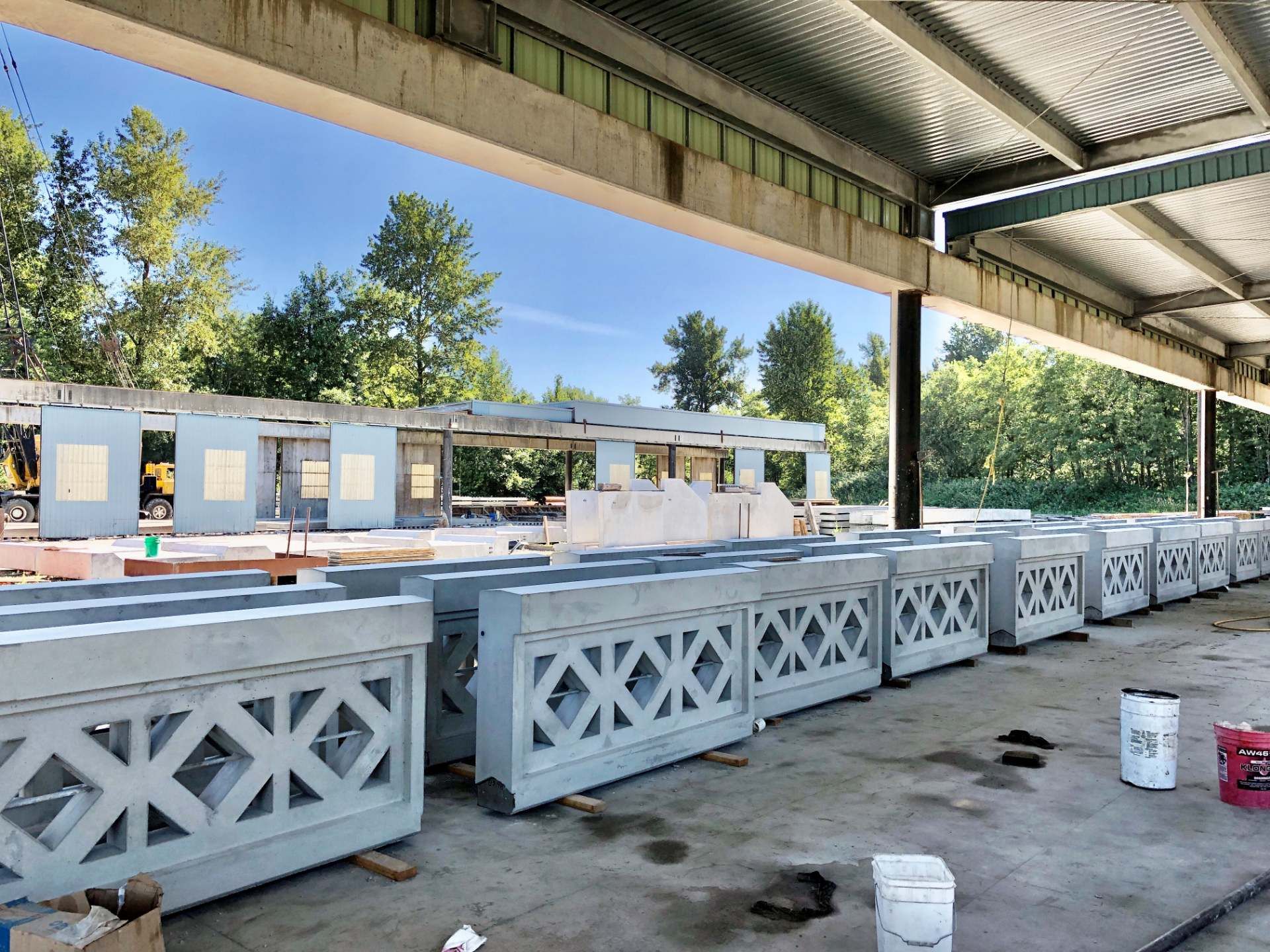

Precast Concrete Manufacturing: A detailed instructions to Transforming Construction
The construction industry is undergoing a transformation, driven by the need for efficiency, sustainability, and innovation. Precast concrete manufacturing has emerged as a cornerstone of this evolution, offering solutions that not only reduce costs and timelines but also enhance the durability and versatility of structures.
In this guide, we’ll explore the ins-and-outs of precast concrete manufacturing, covering everything from its process and benefits to its challenges, applications, trends, and SEO techniques for manufacturers. Whether you’re a contractor, engineer, or curious professional, this post will provide actionable insights that deliver value.
What is Precast Concrete?
Precast concrete refers to concrete components that are manufactured in a controlled factory environment before being transported to construction sites for installation. Unlike traditional cast-in-place methods, precast concrete ensures precision and quality by leveraging advanced technology and standardized processes.
Types of Precast Concrete
Precast concrete components can be categorized into two main types:
- Structural Components: These include beams, columns, slabs, walls, and foundations.
- Architectural Components: Decorative panels, cladding, facades, fences, and retaining walls.
How Precast Concrete is Manufactured
Understanding the manufacturing process is key to appreciating the advantages of precast concrete. Below is a detailed step-by-step explanation:
Step 1: Design Phase
- Engineers collaborate with architects to develop detailed blueprints and specifications for the components.
- Advanced tools such as Building Information Modeling (BIM) are used to create accurate designs.
- Mock-ups or prototypes may be created to ensure feasibility.
Step 2: Mold Preparation
- Molds are crafted based on the design specifications using materials like steel, wood, or plastic.
- Molds are cleaned and lubricated to prevent sticking during demolding.
- Reinforcement materials such as rebar or wire mesh are placed within the molds.
Step 3: Mixing Concrete
- High-quality concrete is mixed using precise ratios of cement, aggregates, water, and additives.
- Additives may include accelerators, retarders, or water-reducing agents depending on the project requirements.
Step 4: Pouring and Compaction
- Concrete is poured into molds and evenly distributed using vibration or manual techniques to eliminate air pockets.
- Compaction ensures structural integrity and prevents weak spots.
Step 5: Curing
- Curing is carried out in controlled environments with regulated temperature and humidity.
- Accelerated curing methods such as steam curing may be used for faster production.
Step 6: Demolding
- Once cured, precast components are carefully removed from molds to avoid damage.
- Finished products undergo cleaning and polishing for aesthetic appeal.
Step 7: Quality Inspection
- Each component is inspected for defects such as cracks or uneven surfaces.
- Compliance checks ensure alignment with industry standards like ASTM or ISO.
Step 8: Transportation
- Components are securely packaged for transport to construction sites.
- Logistics planning minimizes costs and ensures timely delivery.
Benefits of Precast Concrete Manufacturing
Precast concrete has gained widespread acceptance due to its numerous advantages. Let’s examine why it has become a preferred choice in construction:
1. Enhanced Efficiency
- Off-site manufacturing allows on-site work like foundation preparation to proceed simultaneously.
- Faster installation reduces overall project timelines.
2. Superior Quality
- Factory-controlled environments ensure consistent quality by eliminating variables like weather or human error.
- Advanced curing techniques result in stronger components.
3. Cost Savings
- Reduced labor requirements lower on-site costs.
- Bulk production minimizes material wastage compared to traditional methods.
4. Sustainability
- Recyclable materials are often incorporated into precast concrete mixes.
- Energy-efficient manufacturing processes align with green building standards.
5. Versatility
- Components can be customized for size, shape, texture, and color.
- Suitable for both structural and decorative applications.
Challenges in Precast Concrete Manufacturing
While precast concrete offers many benefits, manufacturers face certain challenges that must be addressed:
1. Capital Costs
- Setting up a precast manufacturing facility requires significant investment in equipment and molds.
- High costs can deter small-scale operations.
2. Transportation Complexities
- Large and heavy precast components require specialized vehicles for transport.
- Damage during transit can lead to costly repairs or replacements.
3. On-Site Rigidity
- Precast components cannot be easily modified once produced, requiring precise planning during the design phase.
4. Skilled Workforce Requirements
- Manufacturing and installation demand specialized training for laborers and supervisors.
Applications of Precast Concrete
Precast concrete’s versatility makes it suitable for a wide range of applications across industries:
1. Residential Construction
- Used in walls, floors, roof panels, staircases, and boundary walls.
2. Commercial Buildings
- Ideal for structures like shopping malls, office complexes, parking garages, and warehouses.
3. Infrastructure Projects
- Commonly utilized in bridges, tunnels, drainage systems (culverts), pipelines, and retaining walls.
4. Industrial Facilities
- Precast components like slabs and beams provide durability in factories and power plants.
5. Landscaping
- Decorative features such as planters, benches, fountains, and retaining walls enhance outdoor spaces.
Emerging Trends in Precast Concrete Manufacturing
The precast concrete industry continues to evolve with new technologies and practices designed to improve efficiency and sustainability:
1. 3D Printing Technology
- Innovative methods allow manufacturers to create complex shapes with minimal material waste.
2. Smart Factories
- IoT-enabled sensors monitor production processes in real-time to optimize efficiency and reduce human error.
3. Sustainable Materials
- Incorporating recycled aggregates or carbon-neutral cement lowers environmental impact.
4. Modular Construction
- Precast concrete plays a crucial role in modular construction by enabling rapid assembly of prefabricated units.
Best Practices for Precast Concrete Manufacturing
To maximize productivity and quality while minimizing costs, manufacturers should follow these best practices:
1. Invest in Technology
- Use automation to streamline repetitive tasks such as mold preparation or inspection.
- Implement software solutions for inventory tracking and logistics planning.
2. Maintain Quality Standards
- Conduct regular mold inspections to ensure accuracy.
- Implement rigorous quality checks at every stage of production.
3. Optimize Transportation
- Collaborate with logistics providers for cost-effective transport solutions.
- Use protective packaging to prevent damage during transit.
4. Focus on Sustainability
- Recycle unused materials like crushed concrete or excess aggregates.
- Educate clients on the eco-friendly advantages of precast solutions.
SEO Tips for Manufacturers: Boost Your Online Presence
If you’re a precast concrete manufacturer looking to attract more clients online, here are actionable SEO strategies:
1. Keyword Optimization
- Target high-ranking keywords like:
- “Precast concrete benefits”
- “Precast vs cast-in-place concrete”
- “Precast concrete manufacturers near me”
2. Content Marketing
- Publish blog posts about your projects or innovations in precast concrete manufacturing.
- Include case studies showcasing successful applications in real-world projects.
3. Local SEO Strategies
- Claim your business on Google My Business to rank higher in local searches.
- Use localized keywords such as “precast concrete services in [city].”
4. Video Marketing
- Create videos demonstrating the manufacturing process or installation of precast components.
5. Mobile Optimization
- Ensure your website is mobile-friendly to cater to users accessing your site via smartphones or tablets.
The Future of Precast Concrete Manufacturing
Precast concrete manufacturing is more than just a construction trend—it’s an essential innovation that addresses critical challenges like efficiency, sustainability, and cost-effectiveness. As technology continues to advance, precast concrete will play an even greater role in shaping modern infrastructure worldwide.
Embracing precast solutions not only benefits manufacturers but also empowers contractors and clients by delivering durable structures faster than ever before. Whether you’re a builder looking to optimize your next project or a manufacturer exploring cutting-edge trends, the future is undoubtedly precast.

The Ultimate Guide to Precast Retaining Walls: Benefits, Types, and Applications
Retaining walls play a crucial role in construction and landscaping, providing structural support and preventing soil erosion. Among the various options available, precast concrete retaining walls stand out as a superior choice due to their durability, cost-effectiveness, and ease of installation. Unlike traditional poured-in-place concrete walls, precast retaining walls are manufactured in a controlled environment and transported to the site for assembly, ensuring high quality and efficiency.
In this comprehensive guide, we will explore the advantages, types, applications, and installation process of precast retaining walls. Whether you are a contractor, builder, or homeowner, understanding these factors will help you make an informed decision when selecting the right retaining wall for your project.
Benefits of Precast Retaining Walls
1. Faster Installation
One of the biggest advantages of precast retaining walls is their rapid installation. Since the components are manufactured off-site, they arrive ready to be assembled, drastically reducing labor time and project duration. This is particularly beneficial for large-scale projects where meeting deadlines is crucial.
2. Superior Strength and Durability
Precast concrete is engineered to withstand significant pressure, harsh weather conditions, and long-term wear. These retaining walls are designed to resist cracking, corrosion, and shifting, making them a reliable choice for both residential and commercial applications.
3. Cost-Effective Solution
Although the initial cost of precast retaining walls may seem high, they prove to be cost-effective in the long run. The reduced labor costs, minimal maintenance requirements, and extended lifespan result in substantial savings over time.
4. Aesthetic Flexibility
Precast retaining walls come in a variety of finishes, colors, and textures, allowing them to blend seamlessly with the surrounding landscape. Whether you prefer a natural stone appearance or a modern sleek design, precast walls can be customized to match your aesthetic vision.
5. Environmental Sustainability
Precast concrete production often utilizes recycled materials and energy-efficient manufacturing techniques. Additionally, the controlled factory environment minimizes material waste, making these walls a more sustainable choice compared to traditional construction methods.
Types of Precast Retaining Walls
Selecting the right type of retaining wall depends on the specific needs of your project. Here are the most common types of precast retaining walls:
1. Gravity Retaining Walls
Gravity retaining walls rely on their own weight to resist soil pressure. They are constructed from large precast concrete blocks that interlock for stability. These walls are ideal for low to moderate-height applications where additional reinforcement is not required.
2. Cantilever Retaining Walls
Cantilever retaining walls use a reinforced concrete base to counteract the force of the retained soil. These walls are often used in commercial and infrastructure projects due to their ability to support heavier loads while maintaining a slim profile.
3. Mechanically Stabilized Earth (MSE) Walls
MSE walls incorporate soil reinforcement techniques, such as geosynthetic materials, to enhance stability. This type of retaining wall is commonly used in highway construction, bridge abutments, and other large-scale engineering projects.
4. Interlocking Modular Blocks
Interlocking modular blocks offer a versatile and user-friendly solution for retaining wall construction. These blocks fit together without the need for mortar or additional reinforcement, making them easy to install and adjust as needed.
5. Counterfort Retaining Walls
Counterfort retaining walls are similar to cantilever walls but include additional vertical supports (counterforts) to reduce bending stress. They are suitable for retaining taller slopes or areas with high lateral earth pressure.
Common Applications of Precast Retaining Walls
Precast retaining walls are used in a variety of settings, including residential, commercial, and infrastructure projects. Below are some of the most common applications:
1. Residential Landscaping
Precast retaining walls are widely used in residential landscapes to create terraced gardens, manage slopes, and add aesthetic appeal. They provide excellent support for elevated garden beds and walkways while enhancing property value.
2. Commercial and Industrial Developments
In commercial projects, retaining walls help stabilize the land, provide structural support, and improve site drainage. Shopping centers, office buildings, and industrial facilities frequently utilize precast retaining walls to maximize usable space.
3. Highway and Road Construction
Retaining walls play a crucial role in highway construction by preventing soil erosion, supporting bridge abutments, and maintaining road stability. The durability and efficiency of precast walls make them an ideal choice for transportation infrastructure.
4. Flood Control and Water Management
Precast retaining walls are also used in flood control systems and water management projects. They help direct water flow, prevent soil erosion, and protect properties from water damage.
5. Agricultural Applications
Farmers and agricultural developers use precast retaining walls to create leveled plots, manage irrigation systems, and prevent soil loss. These walls contribute to more efficient land use and crop cultivation.
Installation Process of Precast Retaining Walls
Installing a precast retaining wall requires careful planning and execution. Here’s a step-by-step breakdown of the installation process:
1. Site Preparation
The first step involves clearing the area, removing debris, and leveling the ground. A solid foundation is essential for the stability of the retaining wall.
2. Excavation and Foundation Setup
Depending on the wall type, a trench or concrete footing is prepared to provide a stable base. Gravel or crushed stone is often used for added drainage and support.
3. Placement of Precast Units
Once the foundation is ready, the precast retaining wall units are transported to the site and positioned according to the project design. Proper alignment and interlocking are crucial for structural integrity.
4. Backfilling and Compaction
After the wall is assembled, soil is backfilled and compacted behind the structure. This helps reinforce the wall and prevent movement over time.
5. Finishing Touches and Drainage Installation
Drainage systems, such as weep holes or perforated pipes, are installed to prevent water buildup behind the wall. Additional finishing touches, such as landscaping and protective coatings, may also be applied.
Maintenance Tips for Long-Lasting Retaining Walls
Although precast retaining walls are low-maintenance, periodic inspections and upkeep will extend their lifespan. Here are some maintenance tips to keep them in optimal condition:
- Regular Inspections: Check for any signs of cracks, shifting, or drainage issues and address them promptly.
- Cleaning: Remove dirt, moss, and debris to maintain the wall’s appearance and prevent surface damage.
- Weed Control: Ensure that plant roots do not grow into the wall structure, as they may cause cracks or displacement.
- Drainage Maintenance: Keep drainage outlets clear to prevent water buildup, which could lead to wall failure.
Frequently Asked Questions (FAQs)
1. How long do precast retaining walls last?
Precast retaining walls can last for several decades, typically 50 years or more, depending on environmental conditions, proper installation, and regular maintenance.
2. Are precast retaining walls suitable for DIY installation?
While some smaller precast retaining walls can be installed by homeowners, larger or more complex walls require professional installation to ensure stability and compliance with building codes.
3. What factors influence the cost of precast retaining walls?
The cost of precast retaining walls depends on factors such as wall height, material quality, site conditions, transportation, and labor costs.
Final Remarks
Precast retaining walls offer a durable, cost-effective, and aesthetically appealing solution for a wide range of construction projects. Their fast installation, strength, and minimal maintenance make them an ideal choice for both residential and commercial applications. By understanding the different types, applications, and installation processes, you can select the right precast retaining wall to enhance the stability and beauty of your landscape or infrastructure project.
Whether you’re tackling a small backyard project or a large-scale development, precast retaining walls provide the structural reliability and design flexibility needed to bring your vision to life.

Precast Concrete Bridge Decks: Enhancing Construction Speed, Durability, and Efficiency in Modern Infrastructure
The Role of Precast Bridge Decks in Modern Construction
Bridge decks are critical components of any bridge, providing the surface that supports vehicles, pedestrians, and other loads. Traditionally, bridge decks were constructed on-site using cast-in-place concrete, which required significant time, labor, and resources. However, advancements in engineering and construction methods have introduced precast concrete bridge decks as a superior alternative.
Precast concrete bridge decks offer numerous benefits, including faster installation times, enhanced durability, and reduced maintenance costs. These prefabricated units are manufactured off-site under controlled conditions and assembled on-site, streamlining the construction process while maintaining high quality. In this article, we’ll explore the advantages of precast concrete bridge decks, delve into their construction process, examine common applications, and discuss challenges associated with their implementation. Whether you’re an engineer, contractor, or infrastructure planner, this guide will provide valuable insights into why precast bridge decks are becoming the preferred choice for modern infrastructure projects.
What Are Precast Concrete Bridge Decks?
Precast concrete bridge decks are prefabricated slabs or panels made of reinforced concrete that form the surface layer of a bridge. These components are manufactured in specialized facilities under controlled environments to ensure consistent quality. Once completed, they are transported to the construction site and assembled on top of the bridge’s substructure (e.g., girders or beams).
Key Features of Precast Bridge Decks
- High Strength and Durability: Engineered to withstand heavy loads and environmental stressors.
- Precision Manufacturing: Fabricated with exact dimensions for seamless integration with other bridge components.
- Quick Installation: Reduces on-site construction time and labor.
- Versatile Applications: Suitable for various types of bridges, including highway overpasses, pedestrian bridges, and railway crossings.
Precast bridge decks represent a leap forward in construction efficiency and reliability, making them a popular choice for infrastructure projects worldwide.
Advantages of Precast Concrete Bridge Decks
1. Faster Construction Times
One of the most significant benefits of precast bridge decks is their ability to shorten construction schedules. Traditional cast-in-place decks require extensive on-site preparation, curing time, and formwork installation. Precast decks eliminate these steps by arriving at the site ready for assembly. This is particularly advantageous for projects where minimizing traffic disruptions is crucial.
2. Enhanced Quality Control
Precast concrete bridge decks are manufactured in factory settings under strict quality controls. Factors such as temperature, humidity, and curing processes are closely monitored to produce components with optimal strength and durability. This level of precision ensures consistent performance across all deck panels.
3. Cost Savings
While the upfront manufacturing costs of precast decks may be higher than traditional methods, the overall project cost is often lower due to reduced labor needs and shorter construction timelines. Additionally, precast decks require less maintenance over their lifespan, further contributing to cost savings.
4. Improved Durability
Precast concrete is highly resistant to environmental stressors such as freeze-thaw cycles, corrosion from de-icing chemicals, and heavy loads. This makes precast bridge decks ideal for regions with harsh climates or high traffic volumes.
5. Ease of Replacement
In cases where an existing bridge deck needs replacement, precast panels offer a quick and efficient solution. Their modular design allows damaged sections to be removed and replaced without disrupting the entire structure.
6. Sustainability
Precast concrete manufacturing produces less waste compared to on-site casting. Many manufacturers incorporate recycled materials into their concrete mixes, further reducing the environmental impact.
The Construction Process for Precast Concrete Bridge Decks
Building a precast concrete bridge deck involves several well-defined steps:
Step 1: Design and Engineering
The process begins with detailed design work tailored to the project’s requirements. Engineers consider factors such as:
- Load-bearing capacity
- Span length
- Traffic volume
- Environmental conditions
Advanced software tools like CAD (Computer-Aided Design) and BIM (Building Information Modeling) are often used to create accurate blueprints and simulations.
Step 2: Fabrication of Deck Panels
In the manufacturing phase, precast deck panels are fabricated using molds designed to meet specific dimensions. Reinforcement bars or mesh are added to enhance tensile strength. The concrete is then poured into the molds and cured under controlled conditions to achieve maximum durability.
Step 3: Transportation
Once fabrication is complete, the precast panels are transported to the construction site using specialized vehicles. Proper logistics planning ensures timely delivery while accommodating weight restrictions on roads or bridges.
Step 4: Installation
On-site installation begins with preparing the bridge substructure (e.g., girders or beams). Cranes are used to lift and position the precast panels onto the substructure. The panels are secured using methods such as grouting or post-tensioning.
Step 5: Final Finishing
After installation, finishing touches are applied to ensure functionality and aesthetics. This may include:
- Sealing joints between panels
- Applying protective coatings
- Adding road markings or railings
The completed deck undergoes thorough inspections before being opened to traffic.
Applications of Precast Concrete Bridge Decks
Precast concrete bridge decks are versatile and can be used in various scenarios:
1. Highway Bridges
Highway bridges benefit greatly from precast decks due to their ability to handle heavy traffic loads while minimizing construction-related disruptions.
2. Pedestrian Walkways
Precast decks offer quick installation and customizable designs for pedestrian bridges in urban areas, parks, or campuses.
3. Railway Bridges
Railway bridges require durable decks capable of supporting heavy train loads and vibrations. Precast solutions deliver both strength and reliability.
4. Emergency Repairs
In situations where a damaged bridge deck needs urgent replacement, precast panels provide a fast and effective solution.
Challenges in Implementing Precast Concrete Bridge Decks
Despite their numerous advantages, precast concrete bridge decks come with certain challenges:
1. Transportation Logistics
Large precast panels require specialized vehicles for transportation. Navigating narrow roads or challenging terrain can complicate logistics.
2. Initial Investment Costs
Setting up a manufacturing facility or sourcing precast components may involve higher upfront costs compared to traditional methods.
3. Joint Durability
Sealing joints between precast panels is critical to prevent water ingress and corrosion over time. Regular inspection and maintenance are required to ensure long-term performance.
4. Design Constraints
While precast panels offer customization options, extremely complex designs may require additional fabrication efforts that increase costs.
Case Studies: Successful Implementation of Precast Bridge Decks
Case Study 1: Accelerated Bridge Construction in Urban Areas
In an urban highway project requiring minimal traffic disruption, precast concrete bridge decks were used to complete construction in record time. By prefabricating deck panels off-site and installing them overnight, contractors were able to reopen lanes within days instead of weeks.
Case Study 2: Durable Railway Bridge Decks
A railway project in a region prone to freeze-thaw cycles utilized precast concrete decks to resist cracking and corrosion from de-icing chemicals. The result was a low-maintenance structure capable of handling heavy train loads year-round.
Why Precast Concrete Bridge Decks Are Essential for Modern Infrastructure
Precast concrete bridge decks represent a transformative approach to bridge construction that prioritizes efficiency, durability, and sustainability. Their ability to reduce construction times while maintaining high quality makes them an invaluable tool for engineers working on tight schedules or complex projects.
As urbanization continues to expand and transportation networks grow more sophisticated, investing in innovative solutions like precast bridge decks will be critical to meeting future infrastructure demands. Whether for highways, railways, or pedestrian walkways, these prefabricated panels deliver exceptional performance while minimizing environmental impact.
By choosing precast concrete bridge decks today, we’re not just building stronger bridges—we’re paving the way for smarter infrastructure solutions that benefit communities around the world.